
Generalized Anxiety Therapy for Adults in New York
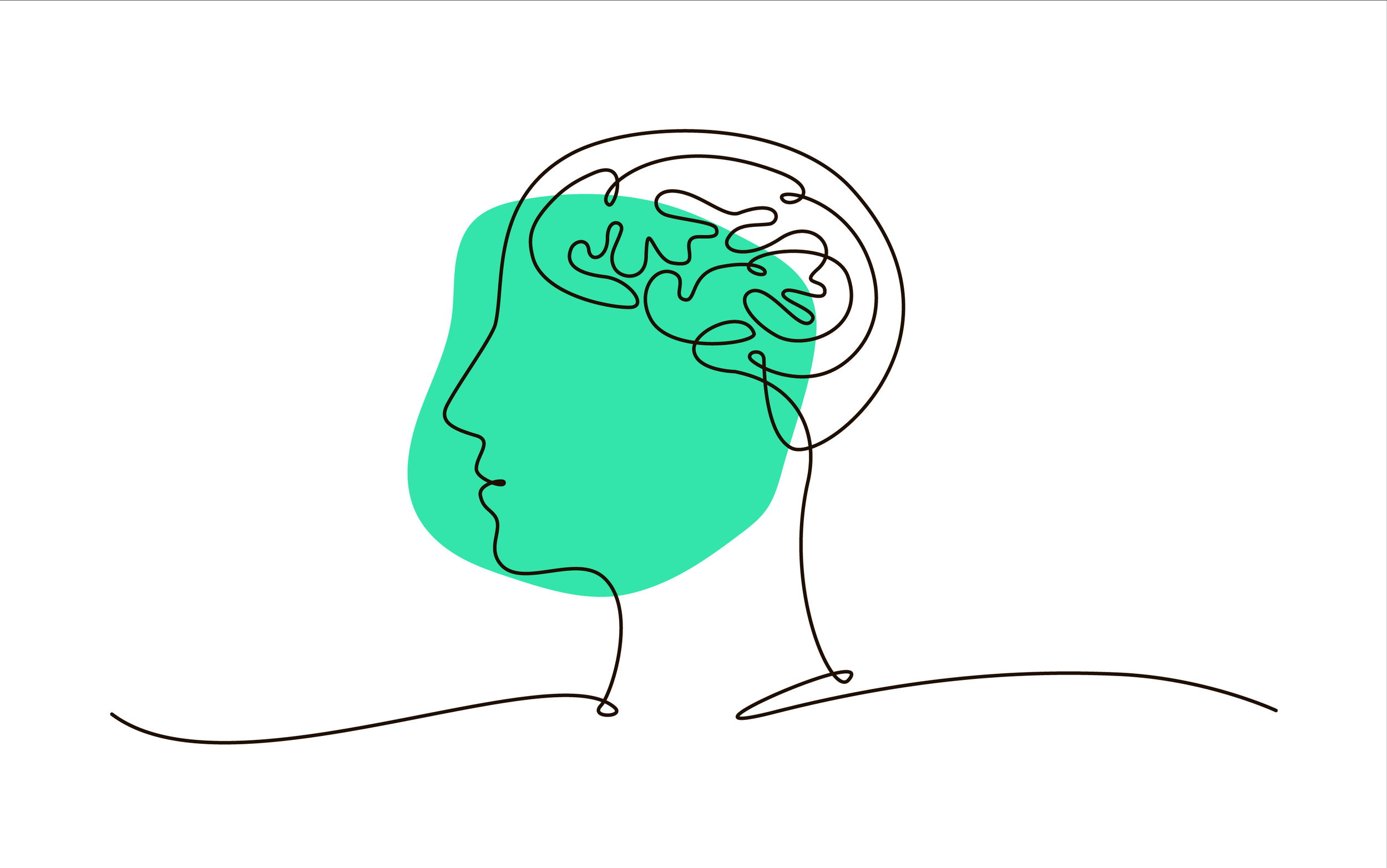
Does this sound like you?
Instead of occasional stress, it can feel like constant or chronic worry that follows you throughout the day, even when there’s no clear reason to be concerned.
You constantly overthink and can’t make yourself stop, you replay decisions, second-guess yourself, or imagine worst-case scenarios. Small responsibilities can feel unusually high-stakes, leaving you tense, restless, or on edge. Many people with generalized anxiety notice racing thoughts, difficulty relaxing, sleep problems, or persistent worry about work, finances, relationships, health, or the future.
To cope, you may overprepare, procrastinate, or repeatedly seek reassurance to prevent mistakes. Even when things go well, it can be hard to feel calm or fully at ease in your own mind.
You’re not broken — your nervous system is responding to perceived threat.
Generalized anxiety disorder (GAD) isn’t a flaw in your personality. It’s a learned stress response shaped by life experiences and uncertainty, where your mind tries to protect you through chronic worry and worst-case thinking.
Therapy for generalized anxiety helps your mind and body relearn safety in everyday life — not by forcing calm or “positive thinking,” but by gradually reducing anxiety and restoring a sense of ease and control.
What generalized anxiety actually is
At its core, generalized anxiety is a persistent fear that something could go wrong across many areas of your life. These anxiety symptoms often show up as chronic, hard-to-control worry about responsibilities, uncertainty, mistakes, or problems you might not be prepared for. You may become overly focused on potential risks, constantly monitoring your thoughts and scanning for signs of danger.
It’s common to replay situations long after they’re over, second-guess decisions, or doubt whether you handled things the right way. You might feel unusually tense and on edge, wondering if you’re falling behind, missing something important, or not doing enough.
How Therapy Helps
Feel calmer and more grounded throughout daily life
Spend less time overthinking decisions or replaying situations
Move forward without mentally rehearsing every possible outcome
Approach responsibilities they once avoided with greater confidence
Reduce harsh self-criticism and develop a more balanced inner voice
Trust themselves instead of constantly seeking reassurance
Experience daily life as manageable rather than overwhelming
